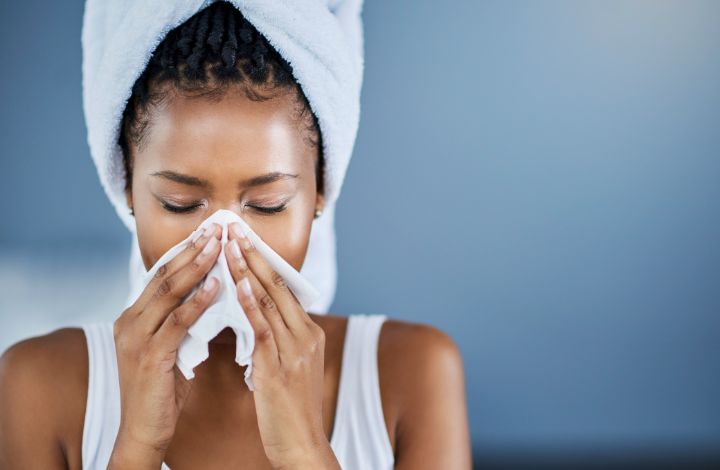
Why Laundry Matters During Allergy Season
Pollen sticks to fabric. It clings to cotton, embeds into towels, and rides inside on jackets and activewear. Then you:
-
Sit on your bed.
-
Re-wear yesterday’s hoodie.
-
Dry off with a towel that’s been hanging in a humid bathroom.
And suddenly your “indoor safe zone” becomes a pollen storage facility. Beyond pollen, bedding also collects:
-
Dust mites
-
Pet dander
-
Skin cells
-
Mold spores
You spend roughly a third of your life in bed. If that environment is loaded with allergens, your body never gets a break.
How Often Should You Wash Bedding During Allergy Season?
More often than you probably do.
Sheets & Pillowcases
Wash once per week, minimum.
If symptoms are severe, wash pillowcases every 3–4 days.
Your face is buried in that fabric for hours. Don’t let it double as a pollen sponge.
Comforters & Duvet Covers
Wash every 2–4 weeks during peak allergy months.
If you use a duvet cover, wash the cover weekly and the insert monthly.
Blankets
Every 1–2 weeks if used daily.
Yes, even the “decorative” throw you secretly use every night.
The Right Water Temperature: Hot vs. Cold
There’s a lot of confusion about this.
For Bedding:
Use hot water (at least 130°F) when fabric allows.
Hot water helps:
-
Kill dust mites
-
Break down pollen particles
-
Check care labels, but most cotton sheets can handle it.
For Everyday Clothing:
Warm water is usually sufficient unless heavily soiled.
Cold water saves energy, which is great. But during peak allergy season, warmer washes are more effective for removing allergens.
Choose the Right Detergent
You don’t need something that smells like a tropical fruit explosion.
In fact, heavily fragranced detergents can make allergy symptoms worse. Look for:
-
Hypoallergenic formulas
-
Fragrance-free options
-
Dye-free detergents
If your skin is already irritated from allergies, don’t layer on chemical irritants.
Pro tip: Avoid fabric softeners if you’re sensitive. They leave residue that can trap allergens in fabric.
Don’t Forget the Dryer
The dryer is not just a finishing step. It’s part of the allergy defense strategy. High heat:
-
Further reduces dust mites
-
Helps loosen lingering allergens
-
Fully dries fabric (moisture invites mold)
Make sure items are completely dry before folding or putting away. Damp fabric stored in a closet is basically a spa for mold spores.
And clean your lint trap every time. A clogged lint filter reduces airflow and traps debris.
After-Outdoor Clothing Rule
Here’s one simple habit that changes everything:
Do not sit on your bed in outdoor clothes during allergy season.
The moment you get home:
-
Change clothes.
-
Put worn clothes directly into a hamper.
-
Wash frequently worn items every 1–2 uses
Activewear, kids’ play clothes, yardwork outfits—these collect the most pollen. Treat them accordingly.
Towels: The Overlooked Allergen Collector
Bathroom towels stay damp. Damp equals dust mite paradise. Wash bath towels every 3–4 uses during allergy season.
Hand towels? Even more frequently. They’re touched constantly.
Use hot water when possible and dry thoroughly.
Should You Air Dry Outside?
Tempting. The Arizona sun feels clean and fresh. But during high pollen days, line drying outdoors can undo all your work. Fabric hanging outside acts like a pollen magnet.
If allergies are active, use indoor drying or a machine dryer instead.
Special Care for Comforters & Large Bedding
Bulky items like comforters require space to wash properly. At home, many machines are too small, which means:
-
Poor agitation
-
Incomplete rinsing
-
Allergen buildup
Using larger commercial washers ensures:
-
Thorough water circulation
-
Better detergent distribution
-
More effective allergen removal
At Tip Top Laundry, our oversized machines handle large bedding the right way - because stuffing a king comforter into a tight drum is not "good enough".
Don’t Ignore the Laundry Room Itself
Here’s a twist: your laundry area can hold allergens too.
-
Clean washer seals regularly.
-
Leave the washer door open between loads to prevent mildew.
-
Wipe down surfaces weekly.
-
Keep hampers clean.
A moldy washer gasket defeats the entire purpose of allergy-prep washing.
Wash Timing Matters
During heavy pollen days:
-
Shower before bed.
-
Wash bedding at the end of the week, not the beginning.
-
Avoid shaking out sheets indoors before washing.
Small habits reduce airborne allergens inside your home.
The "Fresh Start" Strategy
At the beginning of allergy season:
-
Strip the beds.
-
Wash all bedding in hot water.
-
Vacuum mattresses.
-
Rotate pillows if needed.
-
Deep clean comforters and blankets.
Start clean. Maintain weekly. Think of it like resetting your environment instead of fighting symptoms daily.
Common Laundry Mistakes During Allergy Season
Let’s call these out.
Mistake #1: Overloading the washer
Fabric needs room to move. Cramming it in reduces cleaning power.
Mistake #2: Using too much detergent
Excess soap leaves residue that traps allergens.
Mistake #3: Skipping extra rinse cycles
If you’re sensitive, an extra rinse helps remove remaining irritants.
Mistake #4: Re-wearing "lightly worn" clothes
During allergy season, that shortcut costs you.
Breathe Easier This Season
You can’t control the pollen count outside. But you can control what ends up in your bed and closet. Wash weekly. Use hot water when possible. Dry thoroughly. Avoid fragrance overload. Keep fabrics fresh. It’s not glamorous. It’s not trendy. But it works. If you need large-capacity machines to properly wash comforters, heavy blankets, or family-sized loads, Tip Top Laundry makes it simple.
Clean bedding. Clean clothes. Fewer allergens. And maybe, just maybe, fewer tissues. Because nobody enjoys sounding like a malfunctioning kazoo all spring long.